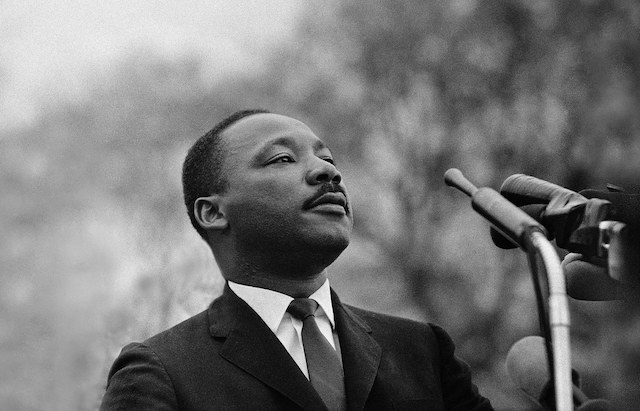

Born Michael King Jr. on January 15, 1929, in Atlanta, Georgia, Martin Luther King Jr. wasn’t destined to become the champion of civil rights he’d later be. Yet, the seeds of his future were sown in the segregated South, where he witnessed firsthand the injustices faced by Black Americans.
Struggles:
- Living under Jim Crow: The sting of segregation permeated every aspect of King’s life, from separate schools and public facilities to constant discrimination and limited opportunities. This fueled his desire for change, but the path wouldn’t be easy.
- Facing internal and external pressure: King grappled with personal doubts and the immense pressure of leading a movement. He faced violent backlash from white supremacists, criticism from Black nationalists, and skepticism from both the government and some within his own community.
- Personal challenges: King endured threats, arrests, and imprisonment. He also struggled with exhaustion, loneliness, and the constant fear for his family’s safety. Yet, he persevered, his unwavering faith and commitment to non-violence remaining his anchor.
Overcoming Struggles:
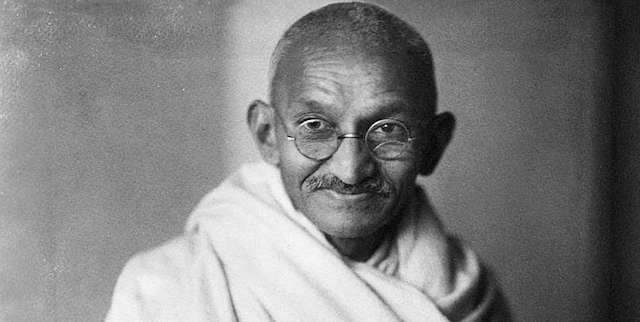
- Embracing non-violence: King found his guiding light in the philosophy of non-violent resistance espoused by Mahatma Gandhi. He believed that love, truth, and peaceful civil disobedience could ultimately dismantle the oppressive structures of segregation.
- The power of words and leadership: King became a charismatic orator, his speeches electrifying crowds and bringing the plight of Black Americans to the forefront of national attention. His “I Have a Dream” speech remains an iconic call for equality and one of the most powerful addresses in American history.
- Building a movement: King co-founded the Southern Christian Leadership Conference (SCLC) and organized successful non-violent campaigns, like the Montgomery Bus Boycott and the March on Washington, that forced the nation to confront racial injustice and ultimately led to the passage of the Civil Rights Act of 1964 and the Voting Rights Act of 1965.
Achievements:
- Ending legal segregation: King’s tireless efforts were instrumental in dismantling the legal framework of segregation in the United States. His peaceful protests and unwavering commitment to non-violence cracked the foundation of racism, paving the way for a more just and equitable society.
- Inspiring a global movement: King’s message of non-violence and equality resonated far beyond the borders of the United States. He became a symbol of hope and inspiration for marginalized communities around the world, influencing countless civil rights movements and leaders.
- Shifting public consciousness: King’s courageous leadership and powerful voice forced America to confront its uncomfortable truths about race and inequality. He ignited a national conversation about social justice and helped break down racial barriers, making lasting change possible.
Practical Wisdom from King’s Life:
- Embrace non-violent resistance: In situations of injustice, choose empathy, dialogue, and peaceful action over anger and violence. Remember, true strength lies in conviction and resilience, not physical force.
- Use your voice and speak up for what’s right: Don’t be a bystander in the face of injustice. Whether it’s challenging discrimination, advocating for a cause you believe in, or simply offering a listening ear, your voice can make a difference.
- Build bridges and foster understanding: Reach out to those who may hold different views and listen with an open mind. Empathy and understanding are key to breaking down prejudice and building a more inclusive society.
- Lead by example and stay true to your values: Live with integrity, authenticity, and unwavering commitment to your principles. Your actions are more powerful than your words, and they inspire others to follow your lead.
- Have faith in progress and never give up on hope: The road to change can be long and arduous, but remember that even the smallest acts of courage and compassion can create ripples of progress. Maintain your faith in humanity’s capacity for good and continue to fight for a better future.
Applying King’s Wisdom in Your Life:
- Challenge injustices you witness in your daily life, whether it’s discrimination at work, bullying in school, or prejudice in your community.
- Use your platform, however small, to amplify the voices of those who are unheard and advocate for equality and justice.
- Practice active listening and engage in respectful dialogue with those who hold different perspectives.
- Support organizations and initiatives working towards social justice and positive change.
- Live with empathy and compassion, treating everyone with respect and dignity, regardless of their background or beliefs.
As Martin Luther King Jr. once said, “The time is always right to do what is right.” Let his life be a beacon that guides you to stand up for what you believe in, embrace courage in the face of adversity, and strive for a world where equality, justice, and love prevail.