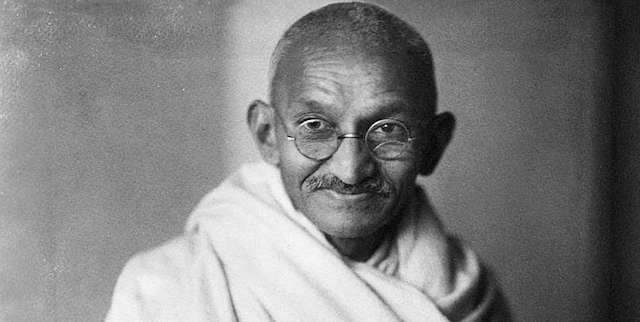

Mohandas Karamchand Gandhi, born on October 2, 1869, in Porbandar, India, was not destined to become the “Great Soul,” as his name “Mahatma” translates to. His early life was steeped in Hindu traditions and religious tolerance. However, his world shifted when he traveled to England to study law in 1887.
Struggles:
- Racism in South Africa: Gandhi’s first brush with discrimination came in South Africa, where he encountered blatant racism against Indians. This ignited his passion for justice and equality, leading him to spearhead the Satyagraha movement, a form of non-violent resistance.
- Facing Colonial Oppression: Returning to India in 1915, Gandhi saw his homeland under the iron fist of British colonialism. Poverty, injustice, and exploitation were rampant. He challenged these through non-violent campaigns, like the Salt March and the Quit India Movement, to awaken national consciousness and demand independence.
- Personal Challenges: Gandhi’s commitment to non-violence was tested on a personal level. He faced assassination attempts, imprisonment, and even criticism within the independence movement. Yet, he remained steadfast in his principles, inspiring millions with his unwavering resolve.
Overcoming Struggles:
- Satyagraha: The Power of Non-Violence: Gandhi’s greatest weapon was non-violence. He believed that truth and justice could prevail through peaceful resistance, civil disobedience, and non-cooperation. He emphasized self-sacrifice, self-reliance, and uniting people across religious and social lines.
- Unwavering Leadership: Gandhi’s charisma, humility, and simple attire endeared him to the masses. He led by example, living a simple life, spinning his own clothes, and advocating for self-sufficiency. This resonated with the common people, making him a symbol of hope and resistance.
- Building Bridges: Gandhi recognized the importance of unity and dialogue. He reached out to different communities, including Muslims and untouchables, advocating for social equality and inclusivity. This helped build a broader movement for Indian freedom.
Achievements:
- Spearheading India’s Independence: Gandhi’s non-violent movement played a pivotal role in India’s independence in 1947. His relentless pursuit of freedom and his unwavering commitment to non-violence inspired generations of activists worldwide.
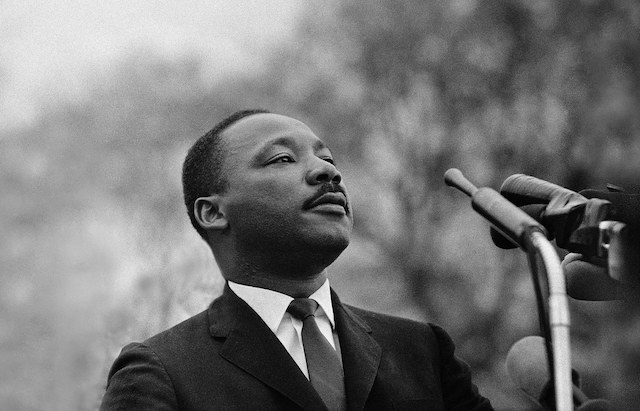
- Inspiring Global Civil Rights Movements: Gandhi’s philosophy of non-violent resistance influenced numerous civil rights movements, including those led by Martin Luther King Jr. and Nelson Mandela. His message of peace and equality continues to resonate with people fighting for justice around the world.
- Promoting Social Change: Gandhi advocated for social reforms like abolishing untouchability and empowering women. He believed in the importance of education, self-reliance, and ethical living, values that continue to guide social movements today.
Practical Wisdom from Gandhi’s Life:
- Truth and non-violence are the ultimate weapons: Gandhi showed that peaceful resistance can be more powerful than violence in achieving justice and lasting change.
- Lead by example and live with integrity: Gandhi’s simple life and unwavering commitment to his principles inspired millions. He demonstrated that true leadership comes from living by your values.
- Embrace unity and inclusivity: Gandhi understood the importance of uniting diverse communities for a common cause. His message of tolerance and respect for all religions and ethnicities remains relevant today.
- Seek self-reliance and empower others: Gandhi believed in individual responsibility and encouraged self-sufficiency. He also advocated for empowering women and marginalized communities to achieve social justice.
- Strive for a sustainable and compassionate world: Gandhi’s vision of a world free from exploitation, poverty, and environmental destruction continues to inspire. He emphasized the importance of living in harmony with nature and respecting all living beings.
Applying Gandhi’s Wisdom:
- Practice non-violent communication in your daily life.
- Stand up for what you believe in, even if it means standing alone.
- Live a life of simplicity and focus on your values.
- Be a bridge between different communities and promote understanding.
- Take responsibility for your actions and work towards a more just and compassionate world.
Mahatma Gandhi’s life is a testament to the power of non-violence, truth, and unwavering determination. His story is not just about India’s independence, but a beacon of hope for anyone fighting for justice, equality, and a better world. By embracing his wisdom and applying it in your own life, you can contribute to creating a more peaceful and sustainable future for yourself and the world around you.
Remember, even the smallest act of non-violence, truthfulness, and compassion can ripple out and create positive change. Let Gandhi’s legacy inspire you to be the light that illuminates your own path and guides others towards a more just and harmonious world.